
The ceremony is over. The photographs are done. The vows have been said and the rings are on.
Now it is time to dance.
And for a growing number of brides in 2026 — the dress they dance in is not the dress they walked down the aisle in.
The reception dress — the second outfit a bride changes into after the ceremony — has become one of the most searched and most saved wedding trends on Pinterest this year. Not because brides want to outshine their ceremony look. But because a reception dress solves a very real problem: wedding gowns are breathtaking but often impractical for five hours of dancing, hugging, eating and celebrating.
The right reception dress for the bride is shorter, lighter, freer and just as beautiful — a second look that lets the bride actually enjoy her own party.
This guide gives you the 15 most beautiful reception dress ideas brides are wearing in 2026 — with a style description, styling tips and an image for each one.
Why Brides Are Wearing a Second Dress to the Reception
The trend has practical roots. A cathedral-length gown with a long train is spectacular for a ceremony and formal portraits. It is significantly less spectacular when you are trying to do the Cupid Shuffle at 9pm.
A reception dress gives brides the best of both: a show-stopping ceremony look and a comfortable, danceable, genuinely fun second look for the party.
The practical reasons brides are making the switch:
Moving freely on the dance floor without worrying about stepping on a train. Sitting comfortably at the head table for a full dinner. Using the bathroom without a team of bridesmaids. Staying cool at outdoor or summer receptions. Creating a “big reveal” moment mid-reception that the entire room reacts to.
The style reasons:
A reception dress can be an entirely different aesthetic from the ceremony gown — giving a bride two completely different visual moments in a single day. A bride who wore a traditional ballgown to the ceremony might change into a sleek satin slip dress for the reception. A bride who walked down the aisle in minimalist crepe might change into a feather-trimmed mini for the party.
The contrast is the point. Two looks. One unforgettable day.
How to Choose Your Reception Dress
Match the energy of the party, not the ceremony. Your reception dress should reflect how the night will feel — not how the ceremony looked. If your reception is relaxed and celebratory, choose something fun and free. If your reception remains formal and seated, a second gown in a different silhouette makes more sense than a short party dress.
Consider your venue. A micro-mini dress works beautifully at an indoor city venue. At a garden or outdoor reception it may feel underdressed. A floor-length slip dress photographs beautifully everywhere but may be impractical if you are dancing all night.
Make it distinctly different from your ceremony gown. The impact of a reception dress change comes from contrast. If your ceremony gown is white and voluminous, consider ivory and minimal. If your ceremony gown is sleek and understated, consider something bold with texture or embellishment.
Budget for it early. Reception dresses range from $80 (high street) to $2,000+ (designer). The sweet spot for a beautiful, well-made second dress is $200–$600. Budget for it at the same time you budget for your ceremony gown — not as an afterthought.
The 7 Most Beautiful Reception Dress Ideas for 2026 Brides
1. The Satin Slip Dress
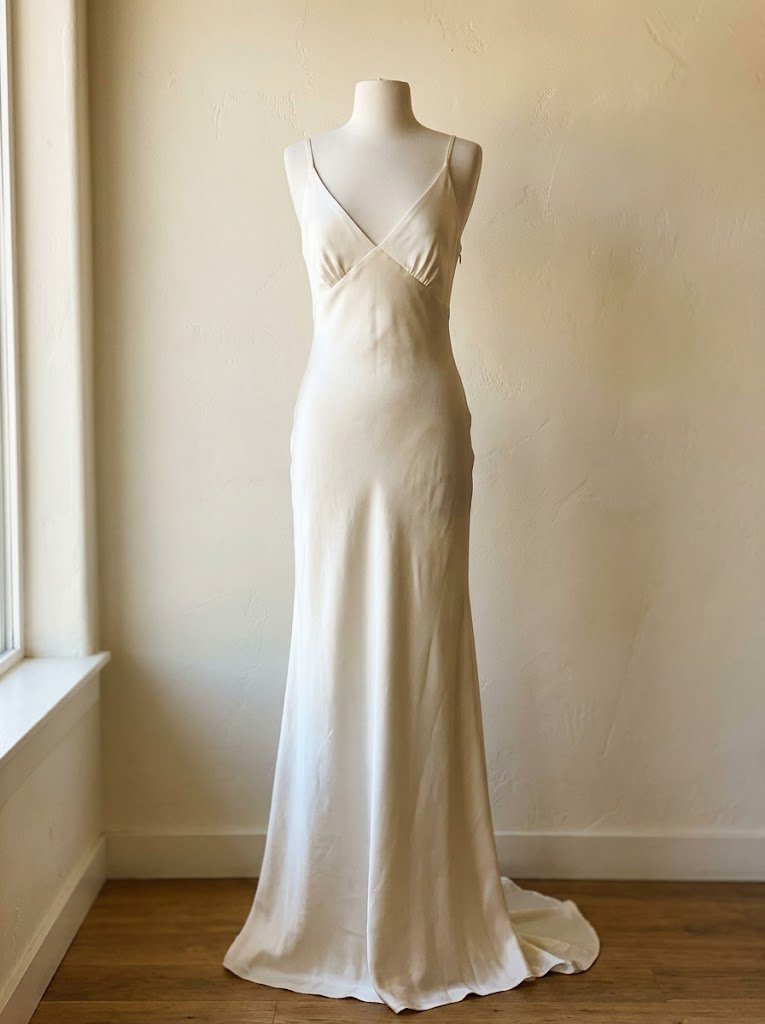
The look: Bias-cut ivory or champagne satin slip dress. Thin adjustable straps, V-neckline, skimming the body to the floor or mid-calf. Minimal, sensual and effortlessly elegant.
Why brides love it: It photographs like a fashion editorial. It moves beautifully on the dance floor. It feels like a second skin. It pairs with almost any shoe style from a strappy heel to a flat sandal.
Style it with: Delicate gold jewelry, loose hair, a bold red lip. The dress should do the work — accessories minimal.
Best for: City venues, gallery spaces, modern hotels, intimate garden receptions.
2. The Feather Mini Dress
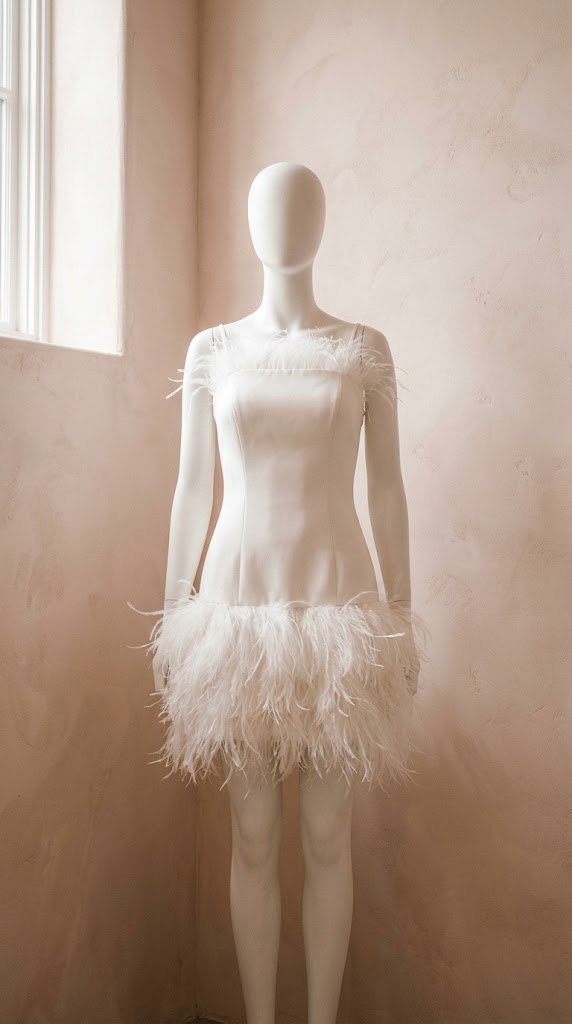
The look: A short structured mini dress — above the knee — with feather trim at the hem, cuffs or neckline. White, ivory or champagne. Body-con or A-line silhouette.
Why brides love it: It is the most photographed reception dress style on Pinterest in 2026. The feather trim moves with every step and photographs spectacularly. It signals the transition from ceremony to celebration immediately and completely.
Style it with: Strappy high heels, stacked gold rings, statement earrings. Updo or sleek low bun. Glossy lip.
Best for: Indoor receptions, city venues, modern ballrooms, late-night parties.
3. The Structured Mini Blazer Dress
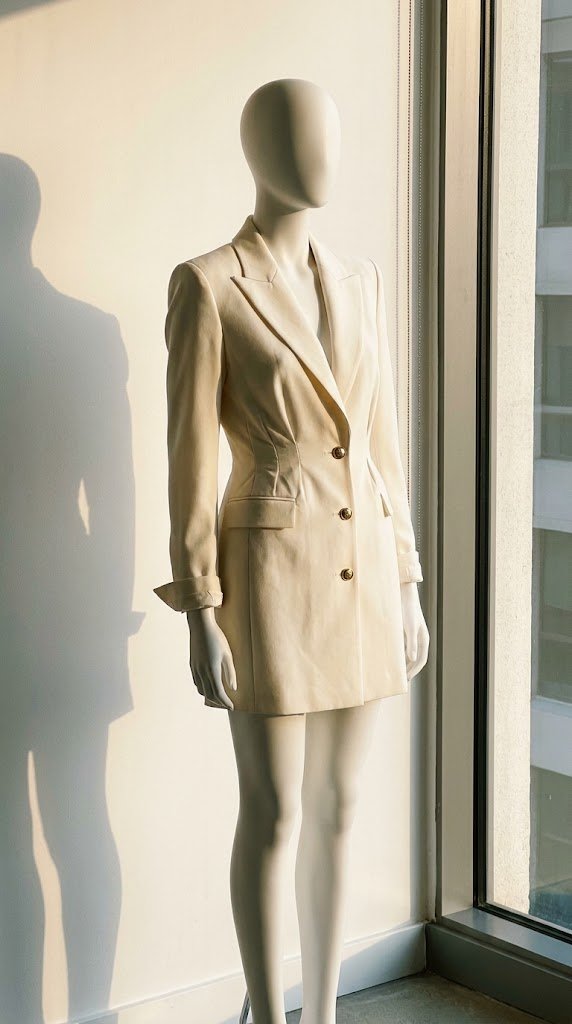
The look: A sharp, tailored mini blazer worn as a dress — single-breasted, hitting mid-thigh. Ivory, white or cream. Paired with nothing underneath — or a satin bralet. Gold buttons.
Why brides love it: The most fashion-forward reception dress option for 2026. It reads as bridal but unexpected. It photographs brilliantly and looks completely different from any traditional wedding silhouette.
Style it with: Barely-there strappy heels, minimal jewelry, sleek straight hair or a slicked-back bun. Let the tailoring be the statement.
Best for: Modern venues, rooftop receptions, fashion-forward brides, city weddings.
4. The Lace Midi Dress
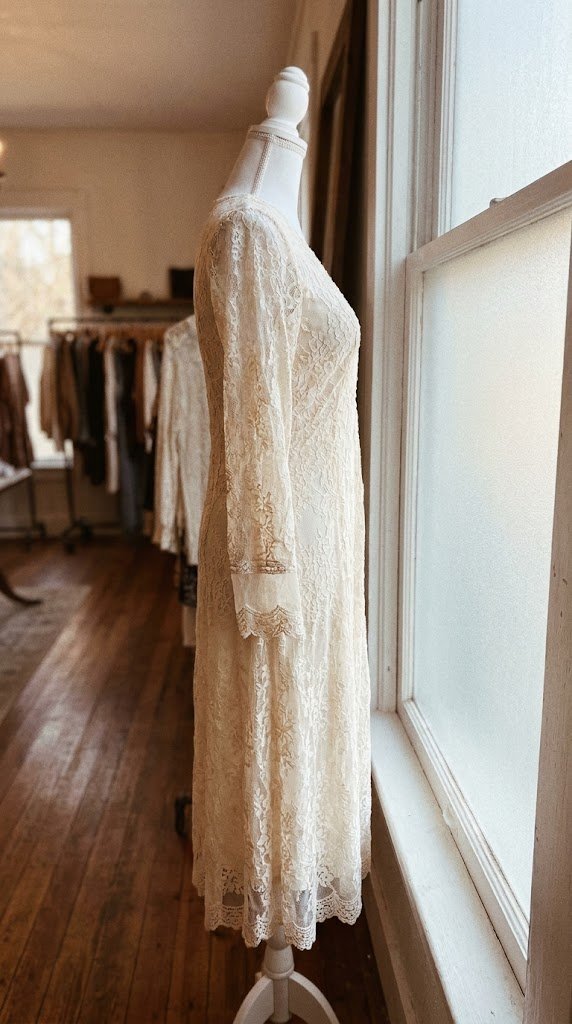
The look: A delicate lace midi dress — hitting below the knee — with long sleeves or three-quarter sleeves. Ivory or off-white. Slightly vintage in feel. Could be worn to a garden party.
Why brides love it: It is elegant without trying. It bridges the ceremony and reception beautifully — romantic enough to feel bridal, relaxed enough to dance in. Long sleeves read as sophisticated on cooler evenings.
Style it with: Block heel or kitten heel, pearl jewelry, soft waves or a loose chignon.
Best for: Garden weddings, vineyard receptions, afternoon into evening events, autumn and winter weddings.
5. The Micro Mini Party Dress
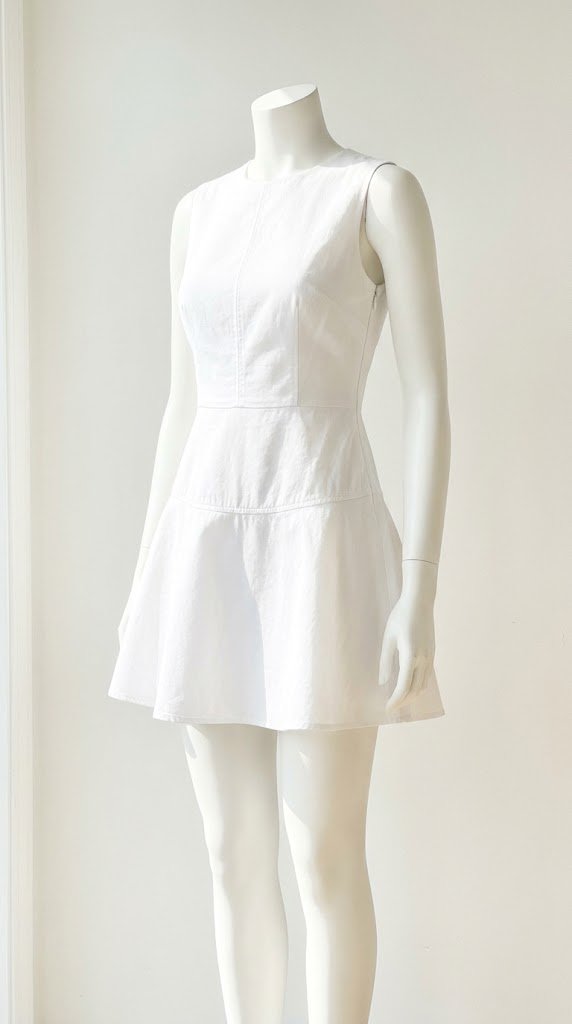
The look: A very short, body-con or A-line micro mini in white or ivory. Could be a simple cotton dress, a structured scuba fabric or a stretch crepe. Clean, modern, minimal.
Why brides love it: The boldest reception dress choice — and the most liberating. It signals maximum dancing energy. It creates the biggest contrast with a traditional ceremony gown. The reaction when the bride walks back in wearing this is a moment.
Style it with: Platform heels or sneakers (increasingly popular), chunky gold hoops, tousled hair. Maximum energy.
Best for: Brides who are genuinely going to dance all night, casual or festival-style receptions, intimate celebrations.
6. The Jumpsuit
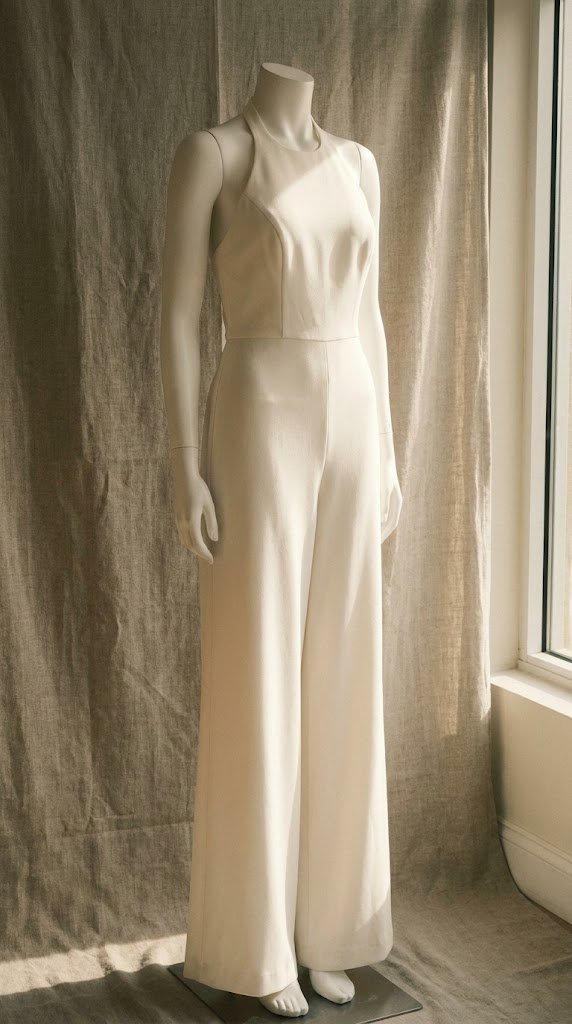
The look: A wide-leg or straight-leg bridal jumpsuit in ivory, white or champagne satin or crepe. Sleeveless or with a halter neck. Sophisticated, modern and completely practical.
Why brides love it: The most practical reception look on this list. The most fashion-forward. The most likely to make every guest say “I wish I’d thought of that.” It photographs beautifully from every angle and requires no management on the dance floor.
Style it with: High heels or pointed-toe flats, statement earrings only, minimal other jewelry. Slicked-back hair or a sleek ponytail.
Best for: Modern venues, fashion-forward brides, brides who hate dresses but love the idea of a second look.
7. The Corset and Skirt Set
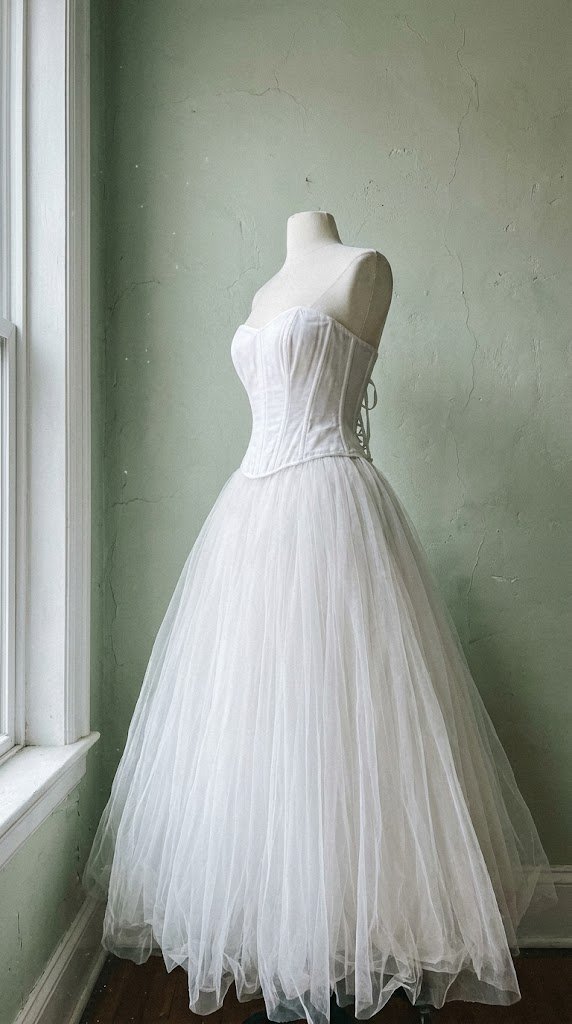
The look: A structured ivory or white corset top paired with a separate skirt — either a full tulle skirt, a silk midi or a tailored mini. Sold as a set or styled individually.
Why brides love it: Maximum versatility. The corset can be worn with multiple skirt lengths — long for dinner, short for dancing. The construction is inherently glamorous. The waist-emphasis silhouette is universally flattering.
Style it with: The full skirt for a romantic dinner moment, swap to the mini skirt for dancing. Statement earrings, updo hairstyle, classic nude heel.
Best for: Brides who want multiple looks from one purchase, romantic or boho receptions, any venue style.
How to Budget for a Reception Dress
Reception dresses range widely in price. Here is a realistic breakdown by tier:
| Budget tier | Price range | Best options |
| Budget-friendly | $80–$200 | ASOS Bridal, BHLDN sale, Amazon bridal |
| Mid-range | $200–$600 | BHLDN, Reformation, For Love & Lemons |
| Designer | $600–$2,000 | Monique Lhuillier, Jenny Yoo, Amsale |
| Couture | $2,000+ | Vera Wang, Oscar de la Renta, custom |
The $200–$600 tier offers the best value — beautiful fabrics and construction without the designer premium. Many brides at this tier find dresses that photograph as well as pieces costing three times as much.
Budget tip: Your reception dress does not need to match the investment of your ceremony gown. Many brides find a beautiful second dress for under $300 that creates an equally memorable moment.
When to Buy Your Reception Dress
Unlike your ceremony gown which requires 9–12 months of lead time, a reception dress can typically be purchased much closer to the wedding date:
- Off-the-rack purchases: Any time — try it on and take it home
- Online orders: 4–8 weeks before the wedding for standard shipping
- Rush online orders: 2–3 weeks with express shipping
- Designer reception dresses ordered to size: 3–4 months before the wedding
Important: Still allow time for alterations if needed. Even a simple reception dress may need hemming or taking in — budget 4–6 weeks for alterations on a reception dress.
The Final Word on Reception Dresses
The best reception dress for a bride is not the one that costs the most or looks the most dramatic. It is the one that lets you be completely present at your own party — dancing without thinking, laughing without worrying and celebrating without managing a train.
Choose something that makes you feel like the most confident version of yourself at 9pm after the most emotional day of your life. That is your reception dress.
For everything else you need to plan your wedding — from the dress timeline to the reception schedule to every vendor contact — the Weddzie Wedding Planner Bundle has you covered.
[→ Get the Weddzie Wedding Planner Bundle for $17 — Instant Download]
Frequently Asked Questions
What is a reception dress for a bride? A reception dress is a second outfit a bride changes into after the wedding ceremony — typically for the reception party. It is usually shorter, lighter and more danceable than the ceremony gown, allowing the bride to enjoy the celebration portion of the day more freely.
When should a bride change into her reception dress? Most brides change into their reception dress during the cocktail hour — after portraits are complete and before the reception dinner begins. This creates a “big reveal” moment when the bride enters the reception in her second look.
How much does a reception dress cost? Reception dresses range from $80 for a high-street option to $2,000+ for a designer piece. The sweet spot for a beautiful, well-made reception dress is $200–$600. Many brides find stunning options at BHLDN, Reformation and For Love & Lemons in this range.
Does a reception dress have to be white? No. While white and ivory are the most popular choices for a bridal reception dress, many brides choose champagne, blush, pale gold, sage green or even bold colors for their second look. The only rule is that it feels right to you.
Do I need a reception dress? No — a reception dress is entirely optional. Many brides wear their ceremony gown all day and love it. A reception dress makes the most sense if your ceremony gown is heavily structured, has a long train or is impractical for dancing. If your ceremony gown is comfortable and danceable, a second dress is a style choice rather than a practical one.
How is a reception dress different from the wedding dress? A wedding ceremony dress is typically longer, more structured and more formal — designed for the procession, ceremony and formal photographs. A reception dress is designed for the party — shorter, lighter, more practical and often with a more modern or playful silhouette.

One Comment